
Voting in parts of Northern New Jersey was briefly interrupted on Tuesday morning, Nov. 4, 2025, after multiple polling places received bomb threats by email that authorities later determined were not credible. The messages prompted temporary closures at several precincts and forced election officials to redirect some voters to alternative locations while security checks were completed.
New Jersey Attorney General Matthew Platkin announced on the social-media platform X that law-enforcement agencies responded to threats sent to polling sites in several counties. He said officers conducted swift inspections, and many affected sites reopened within hours. At locations where inspections were still underway, election workers instructed voters to cast ballots at nearby facilities.
Officials confirmed that emails were received in Bergen, Essex, Mercer, Middlesex, Monmouth, Ocean, and Passaic counties. Local authorities treated each threat as potentially serious until explosives teams and police officers concluded the sites were safe. There were no reports of injuries or the discovery of any hazardous devices.
Emanuel Miranda, director of public safety for Newark, said preliminary examination of the emails revealed “false claims” of planted explosives. The messages contained no specific evidence of an imminent attack, according to Miranda, but the city followed standard security protocols to ensure the safety of voters and poll workers.
Lt. Gov. Tahesha Way, who serves as New Jersey’s chief election official, stated that investigators have found “no credible danger at this time.” She emphasized that state, local, and federal agencies were coordinating closely to maintain an orderly election. Way urged residents to proceed to the polls, noting that additional security personnel had been dispatched where necessary.
Under New Jersey election law, polling locations are required to remain open from 6 a.m. to 8 p.m. statewide. When a site cannot operate for any reason, county clerks can authorize temporary relocation. Tuesday’s bomb threats activated those contingency measures in multiple districts. County boards of elections issued real-time updates on social media and by telephone to inform the public of location changes.
At a morning appearance in Montclair, Democratic gubernatorial candidate Mikie Sherrill told reporters the threats would not discourage turnout. Sherrill characterized the emails as an apparent attempt to disrupt the voting process but asserted that residents would “show up regardless.” Her Republican opponent, former state assemblyman Jack Ciattarelli, condemned the threats in a written statement and encouraged voters to remain patient while authorities conducted safety checks.
Tuesday’s incidents echoed events from the 2024 general election, when a series of coordinated bomb threats targeted polling places in several swing states and led to brief voting delays nationwide. A subsequent investigation by the Federal Bureau of Investigation concluded that those earlier threats most likely originated overseas. New Jersey officials have not yet identified the source of the current emails and declined to speculate on any possible connection.
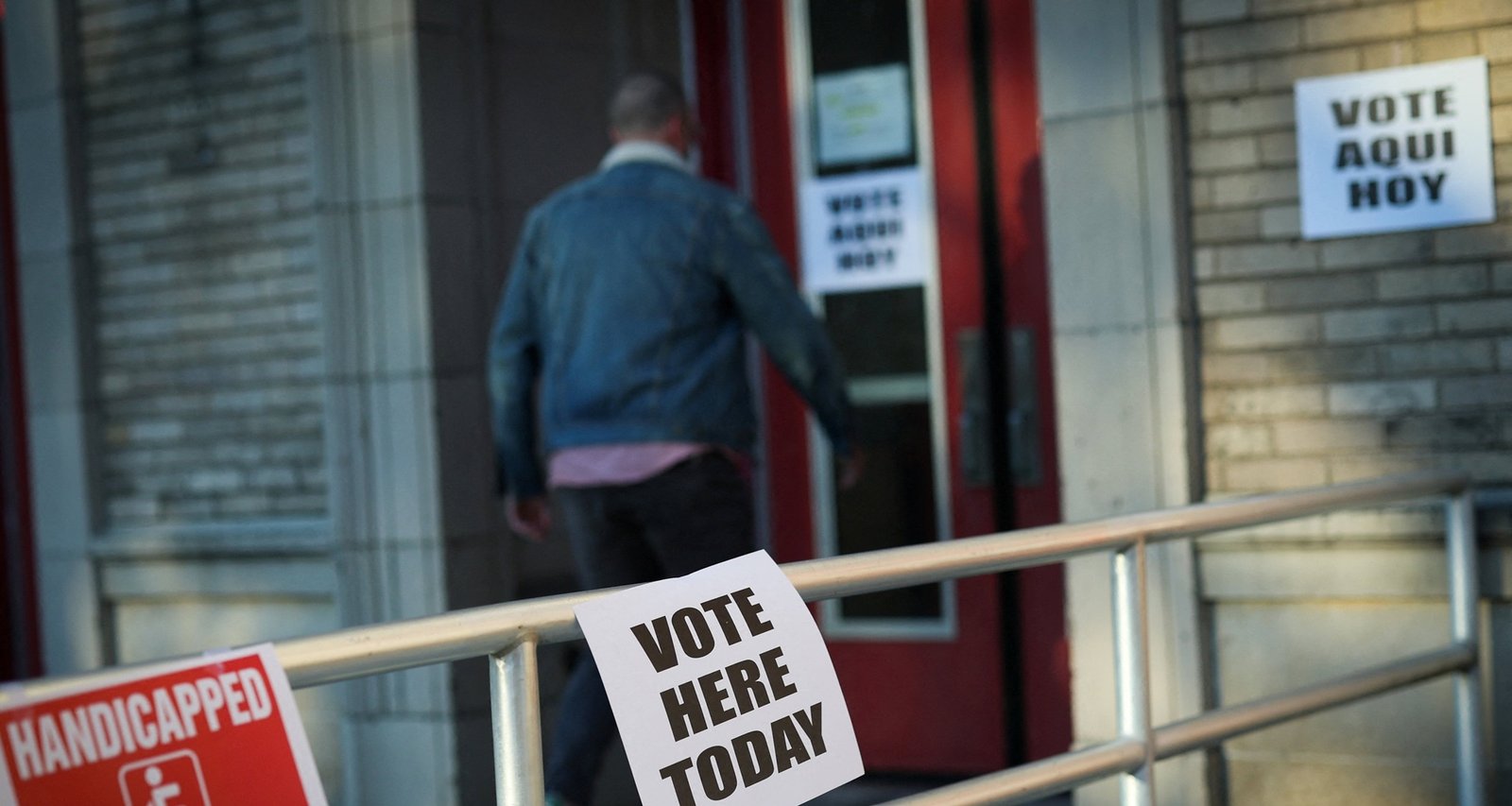
Imagem: Internet
Security experts note that disinformation campaigns and hoax threats can erode public confidence in elections, even when no physical danger exists. Election administrators across the United States have increased cybersecurity monitoring and established rapid-response teams to address potential disruptions. In New Jersey, each county election board maintains direct lines of communication with state homeland-security personnel for immediate threat assessment.
Despite the temporary disruptions, turnout appeared steady in communities where polling sites reopened quickly. Voters arriving at the Montclair Municipal Building shortly after dawn reported a brief lull while police cleared the area, followed by a resumption of normal voting procedures. County officials said provisional ballots would be available for anyone unable to access their assigned precinct.
State authorities reminded residents that intimidation, interference, or false threats intended to obstruct voting can carry significant criminal penalties under both state and federal law. Investigators are reviewing email headers, server logs, and other digital evidence to trace the origin of Tuesday’s messages. Additional details about the ongoing investigation are expected after polls close.
The New Jersey Election Hotline, staffed by the Division of Elections, remains active for voters who encounter problems at their polling place. Officials advised residents to verify the status of their precinct through county websites or by calling the hotline before traveling to vote if they have concerns about closures.
Polling places across the seven affected counties continued operating under enhanced security for the remainder of the day, with uniformed officers maintaining a visible presence. By late morning, election boards reported minimal residual delays, and routine voting activity had resumed at most locations.
Crédito da imagem: Mike Segar/Reuters