Director of National Intelligence Tulsi Gabbard paid an unpublicized visit to Israel on Monday, inspecting the U.S.–operated Civil-Military Coordination Center (CMCC) and the Kerem Shalom crossing as efforts continue to stabilize Gaza following last month’s cease-fire between Israel and Hamas.
Gabbard’s stopover came less than 24 hours after Hamas transferred the remains of three Israel Defense Forces (IDF) soldiers—among them American-Israeli serviceman Omer Neutra—back to Israel. All three soldiers were killed during the Hamas assault on 7 October 2023 and had been held in Gaza for more than two years. Israeli officials now believe the bodies of eight additional deceased hostages are still inside the enclave.
Focus on Humanitarian and Security Coordination
At the CMCC, Gabbard reviewed joint Israeli, U.S. and international procedures designed to manage humanitarian deliveries, border logistics and security synchronization in Gaza. The coordination hub was set up after the cease-fire agreement reached early last month, which paused most large-scale combat operations while outlining mechanisms for hostage exchanges and relief shipments.
According to U.S. officials, the center’s mandate includes real-time intelligence sharing, deconfliction protocols and monitoring of aid convoys entering Gaza through Kerem Shalom. Gabbard said the mission requires “clear communication, coordination and transparency” to support longer-term regional stability. She also framed the CMCC as evidence that multilateral cooperation can advance simultaneous security and humanitarian goals.
While in Israel, the DNI noted a “new sense of optimism” within parts of the Middle East, crediting the groundwork laid by the 2020 normalization accords brokered by Washington. Her remarks followed a series of regional visits by senior U.S. officials designed to reinforce the cease-fire framework.
Return of Soldiers’ Remains
Overnight Sunday, the IDF confirmed receipt of the bodies of Neutra, 24, and two fellow soldiers whose names were released by the Israeli military but not detailed in U.S. statements. Military pathologists in Tel HaShomer performed identification procedures before notifying the families.
Neutra, raised on Long Island, New York, enlisted in the IDF after high school and served in an armored unit near the Gaza border when Hamas gunmen stormed southern Israel in 2023. His family thanked U.S. and Israeli negotiators for securing the transfer and expressed hope that the remaining eight bodies will be repatriated soon.
The Hostages and Missing Families Forum, an advocacy group representing relatives of those still in Gaza, said the return removes “agonizing uncertainty” for the Neutra family but emphasized that its campaign will not end until every hostage is accounted for—living or deceased.
Palestinian Remains Handed Over
On Monday, the International Committee of the Red Cross (ICRC) supervised the handover of 45 Palestinian bodies to Gaza authorities. The exchange formed part of the same arrangement that facilitated the transfer of the three Israeli soldiers. According to the ICRC, the process involved coordinating safe passages with both Hamas and the IDF, medical inspections and documentation before burial in Gaza. Further details regarding the identities of the Palestinian dead were not immediately released.
The Red Cross emphasized that respectful treatment of remains is mandated under the Geneva Conventions, a principle outlined on the organization’s official website. Both sides have cited humanitarian considerations in pushing for the recovery of bodies held since the 2023 conflict escalated.
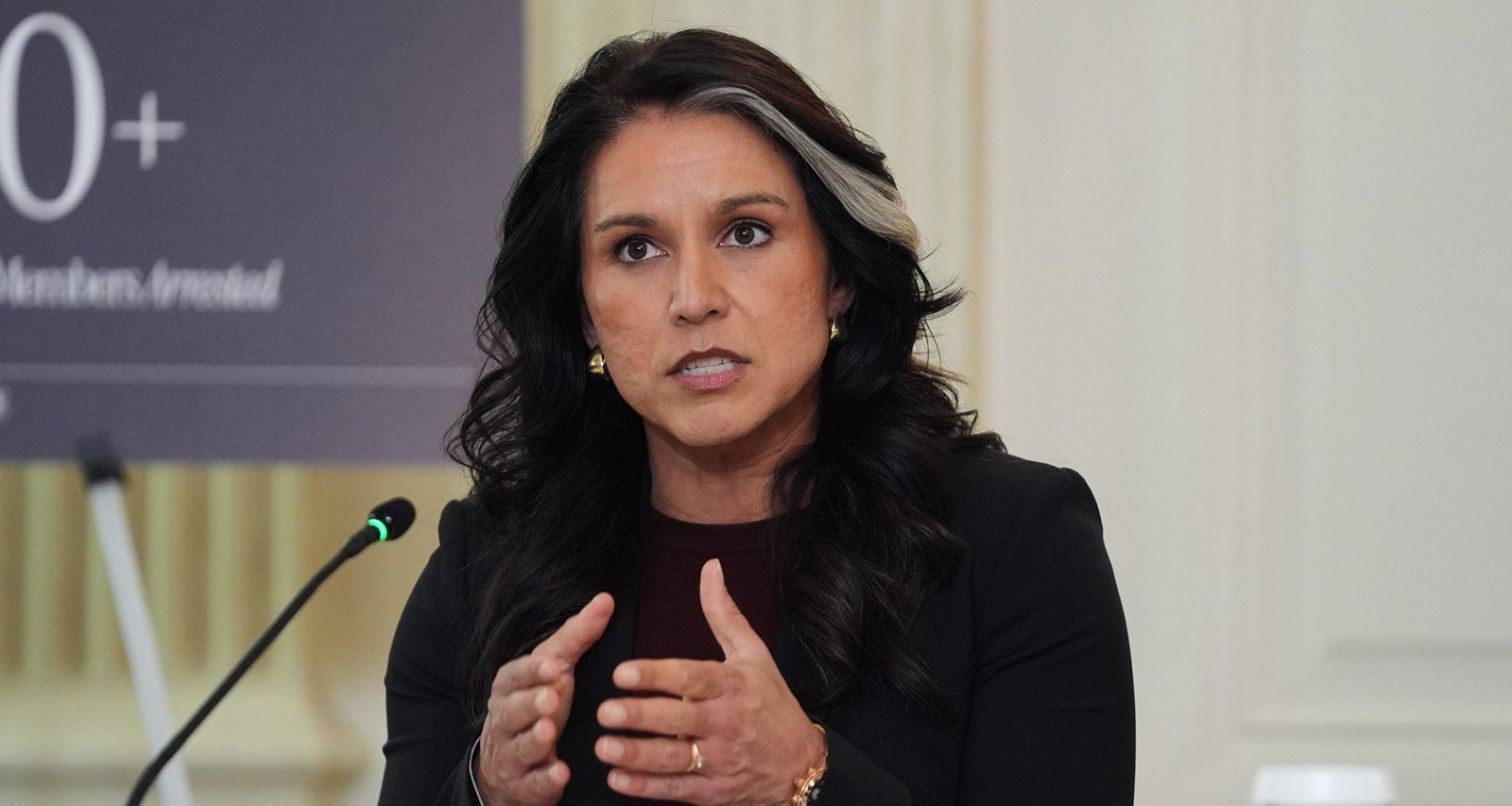
Imagem: Internet
Cease-fire Under Strain
Although large-scale fighting has largely halted, last week saw sporadic rocket launches from Gaza and localized Israeli airstrikes responding to what the IDF termed “imminent threats.” Médecins Sans Frontières, referencing figures from Gaza’s Health Ministry, reported more than 200 fatalities inside the enclave since the truce took effect. Israeli officials contend that strikes are limited, targeted and necessary to prevent renewed attacks.
The cease-fire deal, reached in early October 2025, includes phased exchanges of living hostages for Palestinian detainees, the progressive return of bodies, and expanded humanitarian access. Each prisoner or body transfer requires separate coordination, and negotiations have occasionally stalled over lists, security arrangements and verification procedures.
Next Steps for Negotiators
U.S. Special Envoy Steve Witkoff and Israeli coordinators are expected to resume indirect talks with Hamas through Egyptian and Qatari intermediaries later this week. Primary priorities include repatriating the eight remaining Israeli bodies, clarifying the status of several missing civilians and extending the pause in hostilities.
Diplomats familiar with the process say technical teams are discussing additional border crossing hours, electricity supplies and mechanisms for the distribution of fuel to Gaza hospitals. The goal is to prevent further deterioration of humanitarian conditions while preserving security guarantees for Israel.
For families on both sides, the return of bodies represents a step toward closure but also underscores the slow, methodical nature of the cease-fire arrangement. Observers note that each successful transfer can build confidence, yet any uptick in violence risks unraveling the delicate framework now in place.
Gabbard is scheduled to return to Washington later this week to brief the National Security Council and congressional committees on CMCC operations, intelligence requirements and the status of ongoing negotiations. U.S. officials said the DNI’s findings will inform future assistance packages and potential adjustments to the American advisory presence in the region.
Crédito da imagem: Evan Vucci/AP