
A federal court has directed the Trump administration to release the full amount of Supplemental Nutrition Assistance Program (SNAP) benefits for November no later than Friday, Nov. 7, 2025. U.S. District Judge John J. McConnell Jr. issued the order on Thursday, stating that any additional delay would leave millions of households without critical food assistance.
McConnell’s ruling follows an earlier temporary restraining order that required the government either to disburse all benefits by Monday, Nov. 3, or to complete a partial payment by Wednesday, Nov. 5, while eliminating administrative hurdles that might slow delivery. The administration provided only 65 percent of regular funding, arguing that remaining emergency reserves had to be preserved for child nutrition programs. The court determined the partial payment violated its previous directives.
The judge emphasized that 42 million people—among them 16 million children—depend on SNAP each month. Without full financing, he wrote, families face immediate food insecurity, food banks experience increased demand, and communities confront “irreparable harm.”
Rebuke of Presidential Statements
Judge McConnell specifically referenced President Donald Trump’s remark earlier in the week that SNAP would not be funded until the ongoing federal shutdown ends. The court described the statement as an open declaration of intent to disregard a lawful order. McConnell concluded that the administration “did nothing” to mitigate delays once it chose a partial disbursement, even though additional emergency dollars were available.
Government’s Position and Legal Response
Justice Department attorneys said the administration complied with statutory requirements by tapping emergency funds for a partial payment and by leaving states, which administer SNAP, to complete distribution. They argued that diverting further resources would jeopardize child nutrition initiatives later in the fiscal year and that any processing lag stemmed from state systems, not federal action.
Plaintiffs—including nonprofit organizations and local governments—countered that the administration held sufficient funds to cover both programs through at least May and accused officials of leveraging hunger for political advantage in the shutdown dispute. They submitted evidence showing that USDA accounts contained approximately $23.35 billion under Section 32, of which $4 billion could satisfy the entire November SNAP obligation while leaving more than $19 billion available for child nutrition.
The judge agreed that conflating the two funding streams was “implausible” and said the record demonstrates that 29 million children covered by school meal programs are not at risk this month, whereas SNAP recipients already lack benefits. He concluded the administration’s rationale was arbitrary and capricious.
Timetable and Compliance Requirements
Under Thursday’s order, the U.S. Department of Agriculture must authorize a full electronic transfer of funds to state agencies by the close of business on Friday. Agencies have previously estimated that once funds are released, most households will see benefits posted to electronic benefit transfer (EBT) cards within 24 to 72 hours. The order does not permit additional partial payments or phased distribution.
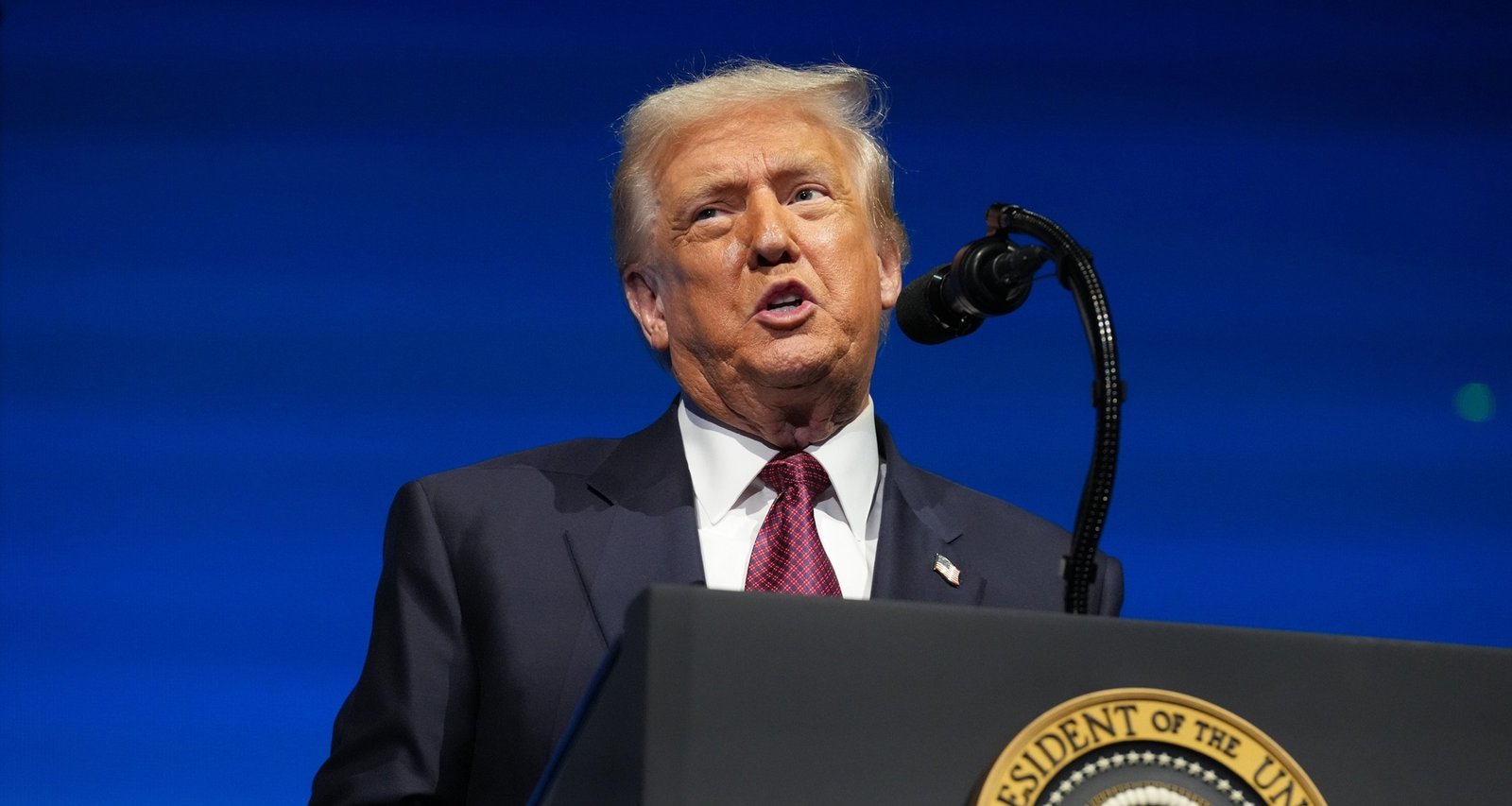
Imagem: Internet
Should the administration fail to comply, plaintiffs may seek contempt sanctions, though the ruling does not specify penalties. The court retained jurisdiction to monitor execution and ordered the government to file a status update confirming the transfer.
Broader Context
This dispute emerges amid a multi-week federal shutdown triggered by a budget impasse. SNAP, which serves low-income individuals nationwide, operates under annual appropriations. When standard funding lapsed on Oct. 1, USDA relied on contingency reserves. Those reserves were depleted before the scheduled Nov. 1 issuance, prompting litigation to compel continued payments.
Judge McConnell has previously blocked administration actions that affected federal spending. Earlier this year he enjoined an Office of Management and Budget directive that sought a government-wide freeze, a move later withdrawn. In public remarks last month, the judge said he received multiple threats following that decision; the current order notes heightened scrutiny but does not reference security concerns.
The administration has not announced whether it will appeal Thursday’s directive. Any appeal would go to the U.S. Court of Appeals for the First Circuit, but appellate review would not automatically pause the order unless a stay is granted. As of Thursday evening, USDA officials had not indicated operational steps for meeting the deadline.
For households awaiting assistance, the timing of fund availability will depend on individual state processing systems, though the court’s schedule seeks to minimize additional disruption.
Crédito da imagem: Jacquelyn Martin/AP