
New York City Mayor-elect Zohran Mamdani said on Wednesday that he will not be deterred by any effort from President Donald Trump to send National Guard troops to the nation’s largest city. Speaking during an interview on “Good Morning America,” the 34-year-old incoming mayor argued that the president’s public suggestions of a deployment have more to do with political pressure than with safeguarding residents.
Rejecting federal intervention
Mamdani characterized Trump’s statements as “inevitable threats” and framed them as intimidation tactics rather than a genuine response to crime. He pointed to crime data showing that many of the states with the highest per-capita violent crime rates are led by Republican governors. “If the objective were public safety, the administration would be looking at the full list of states most affected by crime, not singling out New York City,” Mamdani said, referencing statistics published by the Federal Bureau of Investigation.
The mayor-elect did not specify what legal or logistical steps the city might take should federal forces arrive, but emphasized that his incoming administration is prepared to protect municipal jurisdiction. Under federal law, the president may deploy the National Guard in certain circumstances, though such moves often generate tense debates over states’ and cities’ rights.
Historic election turnout
Mamdani secured the mayoralty following Tuesday’s election, which drew more than 2 million voters—marking the first time since 1969 that turnout in a New York City mayoral race crossed the two-million threshold. His victory makes him the youngest person to hold the office since 1892 and the city’s first Muslim mayor. The democratic socialist’s campaign focused heavily on housing affordability, expanded social services and tax reforms targeting high-income earners.
Affordability agenda and funding plan
During the interview, Mamdani said that the election results provide a mandate to “pursue the most ambitious affordability agenda in decades.” He outlined an initial financing strategy centered on two tax increases: a rise in the top marginal tax rate for high-earning residents and an increase in the city’s corporate tax to 11.5 percent from the current 7.25 percent. According to Mamdani, the combined measures would generate roughly $9 billion annually, sufficient to fund several cornerstone programs while also helping to “Trump-proof” the municipal budget.
Among the initiatives that would receive priority funding is a city-run universal child-care program. Additional proposed allocations include expanded rental assistance, new public housing developments and investments in public transit aimed at reducing commuting costs for low- and middle-income workers. Details regarding implementation timelines, administrative structures and eligibility criteria have not yet been released, with the mayor-elect’s transition team expected to provide further information in the coming weeks.
Political context
The looming possibility of a National Guard deployment has escalated tensions between City Hall and the White House. President Trump has repeatedly criticized New York City leadership over crime rates and homelessness, often singling out the city in campaign rallies and social-media posts. While the president has not announced a specific timeline or plan for military involvement, he has stated that he is “considering every option” to restore what he views as order in major urban centers.
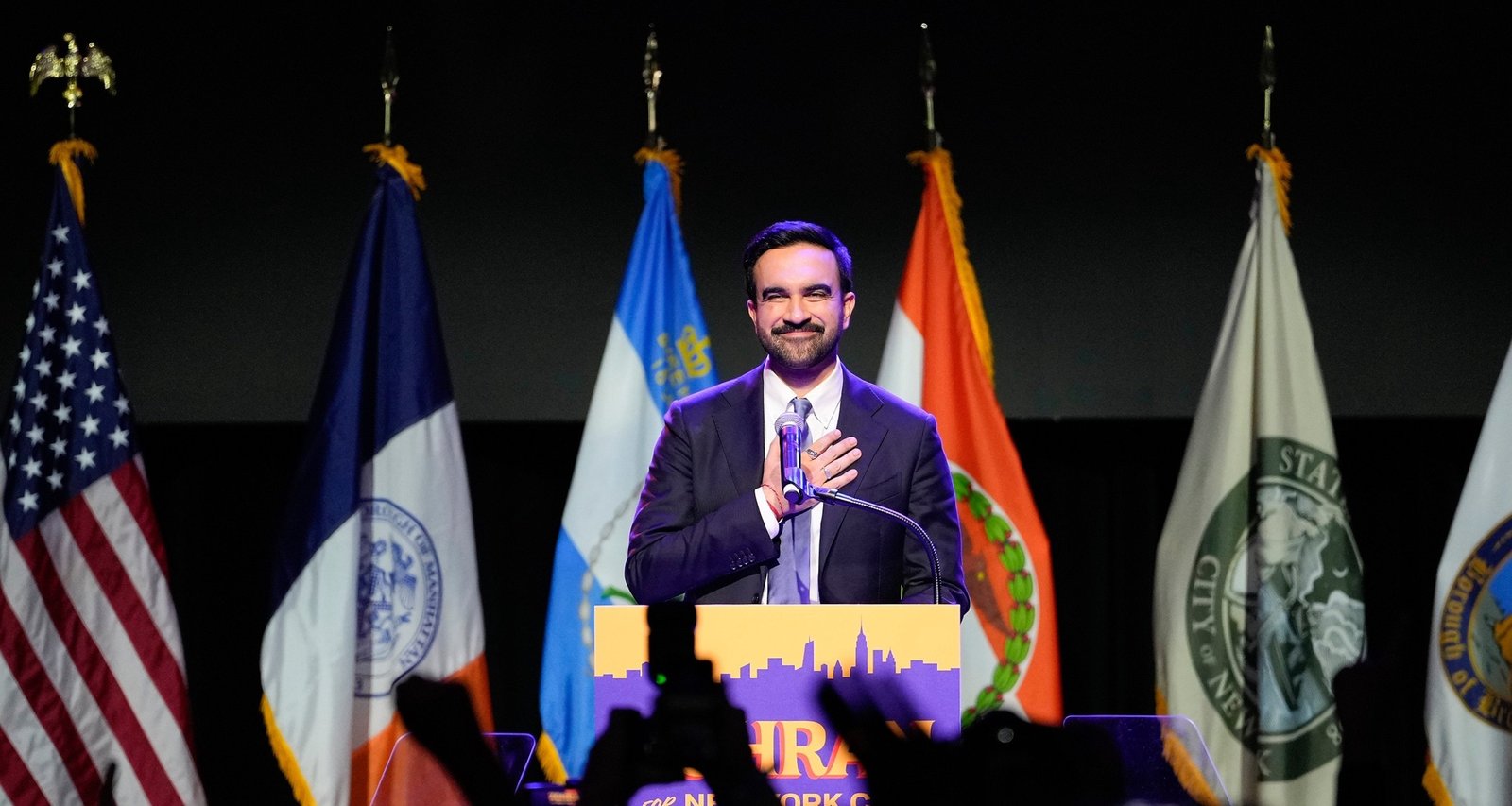
Imagem: Internet
Mamdani’s position aligns with other local officials who argue that federal intervention would undermine community-level solutions and strain relationships between residents and law-enforcement agencies. The New York Police Department has not commented on how a National Guard presence might affect day-to-day operations, and the governor’s office has so far declined to speculate on possible state-level responses.
Next steps
The incoming mayor will be sworn in on January 1, 2026. Between now and inauguration day, his transition team plans to meet with city agencies, community organizations and budget analysts to refine policy proposals and draft legislative language for introduction to the City Council. Hearings on the proposed tax changes are expected early in the new year, followed by negotiations between the mayor’s office, council leadership and key stakeholders in the business community.
For now, Mamdani is positioning his administration as one prepared to challenge federal directives that, in his view, conflict with local priorities. “We will not allow intimidation to dictate our agenda,” he said on national television. As discussions over public safety, federal authority and fiscal policy continue, New Yorkers await further clarity on how these issues will unfold once the new mayor assumes office.
Crédito da imagem: Yuki Iwamura/AP