
Beginning Saturday, roughly 42 million people who rely on the Supplemental Nutrition Assistance Program (SNAP) stopped receiving benefits after the U.S. Department of Agriculture confirmed that its November allocation of about $9.5 billion had been exhausted. The lapse affects an estimated 16 million children and coincides with the ongoing federal government shutdown.
Legal uncertainty at the federal level
Late Friday, a federal judge in Rhode Island issued a temporary order requiring the administration of President Donald Trump to keep SNAP funding flowing, while a separate decision in Boston labeled the suspension “unlawful” but did not compel immediate payment. In response, the president said his legal team is unsure whether it can disburse money without explicit authorization and indicated he has asked courts for clarification. The administration has previously relied on alternative appropriations to cover military salaries during the shutdown, but SNAP has no comparable contingency mechanism at the federal level.
Program structure complicates timing
SNAP is financed by the federal government yet administered by individual states, a structure that causes the impact of a funding gap to vary across the country. Because states distribute payments on different schedules, some households saw benefits stop at the beginning of November while others will experience the shortfall later in the month unless funding is restored.
States activate contingency plans
Governors in both parties have started allocating state dollars or redirecting existing resources to cushion the blow. Measures range from direct electronic transfers to increased support for food banks and extensions of related nutrition programs. The following actions had been announced as of Saturday:
Arizona – Gov. Katie Hobbs released $1.8 million, including $1.5 million for food banks and the remainder for the Food Bucks Now fresh-produce voucher initiative.
California – Gov. Gavin Newsom directed $80 million to food banks statewide.
Colorado – Gov. Jared Polis requested $10 million for food banks and pantries and asked lawmakers to prolong Women, Infants, and Children (WIC) funding through November.
Connecticut – Gov. Ned Lamont allocated $3 million in emergency funds to Connecticut Foodshare.
Delaware – Gov. Matt Meyer declared a state of emergency, ordering weekly transfers to maintain SNAP payments using state resources identified by the Department of Health and Social Services.
Hawaii – Gov. Josh Green launched the Hawaiʻi Relief Program, offering up to four months of Temporary Assistance for Needy Families (TANF) support for housing and utilities, and contributed $2 million to food banks.
Illinois – Gov. JB Pritzker signed an executive order providing $25 million to food banks.
Iowa – Gov. Kim Reynolds authorized the state to match up to $1 million in private donations to Iowa food banks.
Louisiana – Gov. Jeff Landry declared a state of emergency on Oct. 24 and asked legislators to release stabilization funds; the legislature had not acted by Oct. 31.
Maine – Gov. Janet Mills allocated $1 million to food banks.
Maryland – Gov. Wes Moore committed $10 million to bolster food assistance.
Massachusetts – Gov. Maura Healey added $4 million to the Massachusetts Emergency Food Assistance Program.
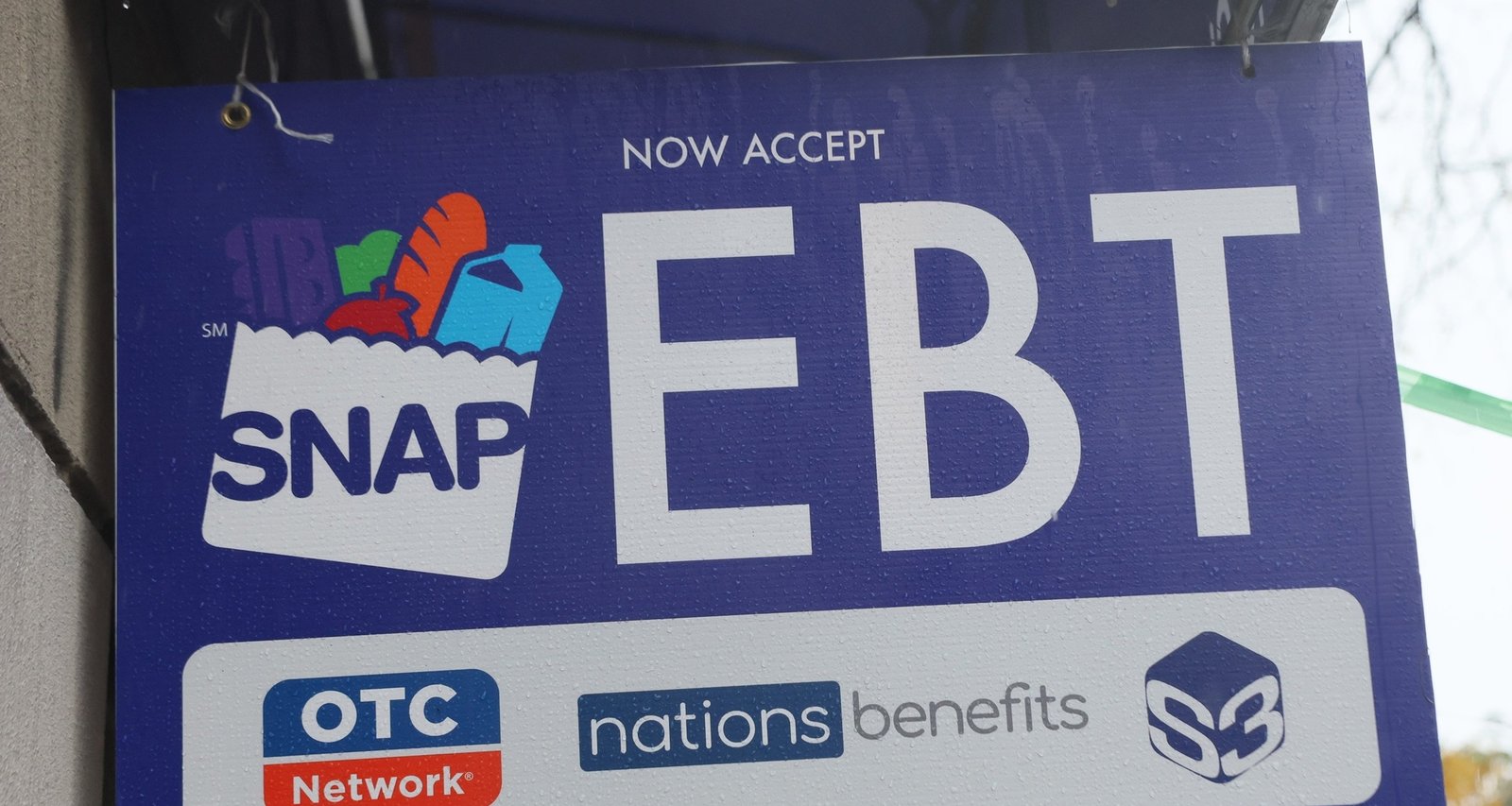
Imagem: Internet
Minnesota – Gov. Tim Walz set aside $4 million for food banks.
Missouri – Gov. Mike Kehoe delivered $5 million to food banks and transferred $10.6 million to Area Agencies on Aging for senior nutrition services.
New Mexico – Gov. Michelle Lujan Grisham announced $30 million in state-funded food benefits to be loaded onto existing EBT cards.
New York – Gov. Kathy Hochul declared a state of emergency, providing $40 million for the Hunger Prevention and Nutrition Assistance Program and $25 million for Nourish N.Y.
North Carolina – Gov. Josh Stein pledged $10 million for food banks and coordinated an additional $8 million from private partners.
North Dakota – Gov. Kelly Armstrong earmarked $915,000 for food banks and $600,000 to sustain the state’s WIC program.
Ohio – Gov. Mike DeWine approved $25 million in state funding to offset the SNAP gap. Up to $18 million will go directly to residents whose income is at or below 50 percent of the federal poverty level, while $7 million will strengthen food bank inventories.
Oregon – Gov. Tina Kotek declared a food emergency effective through December and redirected $5 million in TANF carryover funds to food banks.
Rhode Island – Gov. Dan McKee committed $6 million in TANF support for 20,000 families and allotted $200,000 in Social Services Block Grant money to the Rhode Island Community Food Bank.
Virginia – Gov. Glenn Youngkin launched the Virginia Emergency Nutrition Assistance initiative, issuing weekly state funds in lieu of SNAP through November and adding $1 million for food banks.
Washington – Gov. Bob Ferguson pledged $2.2 million per week to state food banks until federal funding resumes.
West Virginia – Gov. Patrick Morrisey announced the state would match up to $13 million in donations to food banks during a statewide food drive.
Broader context
According to the U.S. Department of Agriculture, SNAP served more than 42 million participants in fiscal year 2024, distributing an average monthly benefit of about $229 per person. With normal funding channels closed, state stop-gap measures are intended as short-term relief and do not replicate the scale of federal payments. Unless Congress and the White House reach an agreement to reopen the government or courts mandate resumed disbursements, further state action or private assistance may be required as the shutdown continues.
Crédito da imagem: Michael M. Santiago/Getty Images