
Washington — During oral arguments on Wednesday, the U.S. Supreme Court voiced broad skepticism of former President Donald Trump’s claim that the International Emergency Economic Powers Act (IEEPA) grants unlimited authority to impose tariffs. Several justices, however, indicated they may be open to a narrower interpretation that would leave room for certain trade restrictions classified as regulatory rather than revenue-raising.
The dispute centers on tariffs Trump levied under IEEPA beginning in 2025. The measure allows a president to “regulate importation” during a national emergency, yet it does not specifically mention tariffs. A small business challenged the levies, contending that Trump exceeded his statutory authority and effectively imposed taxes, a power reserved for Congress.
Solicitor General D. John Sauer, representing the administration, argued that the duties were designed to alter trade behavior, not to collect money. “This policy is by far the most effective if nobody ever pays the tariffs,” Sauer told the Court, describing them as tools to influence foreign exporters rather than raise revenue.
Justices Amy Coney Barrett and Neil Gorsuch focused on the statute’s reference to “licenses, instructions, or otherwise,” exploring whether the government could relabel the duties as licensing fees. “We’ve had some discussion today about the fact that maybe the president could simply recharacterize these tariffs as licenses,” Gorsuch said. Barrett asked for clarification on the practical difference between a license and a fee, suggesting that if no distinction exists, reclassification might sidestep legal objections.
Neal Katyal, counsel for the plaintiff business, rejected that approach. He warned the Court that allowing tariffs to be rebranded as licenses would grant the executive broad discretion to tax imports from any country at any time. “If you were to do that, it’s open-ended,” Katyal said.
Justice Sonia Sotomayor expressed concern that the administration’s interpretation would transfer a core congressional prerogative to the White House. “It’s a congressional power, not a presidential power, to tax,” she stated. Several justices noted that no prior president or court has treated the phrase “regulate importation” as blanket tariff authority. Barrett pressed Sauer for historical examples supporting his view, but none were offered.
Despite the skepticism, some members of the Court weighed the practical consequences of striking down the tariffs entirely. Barrett asked how a reimbursement process for duties already collected—estimated at more than $89 billion—would function. Katyal acknowledged the complexity but maintained that statutory limits could not be ignored because of administrative burdens.
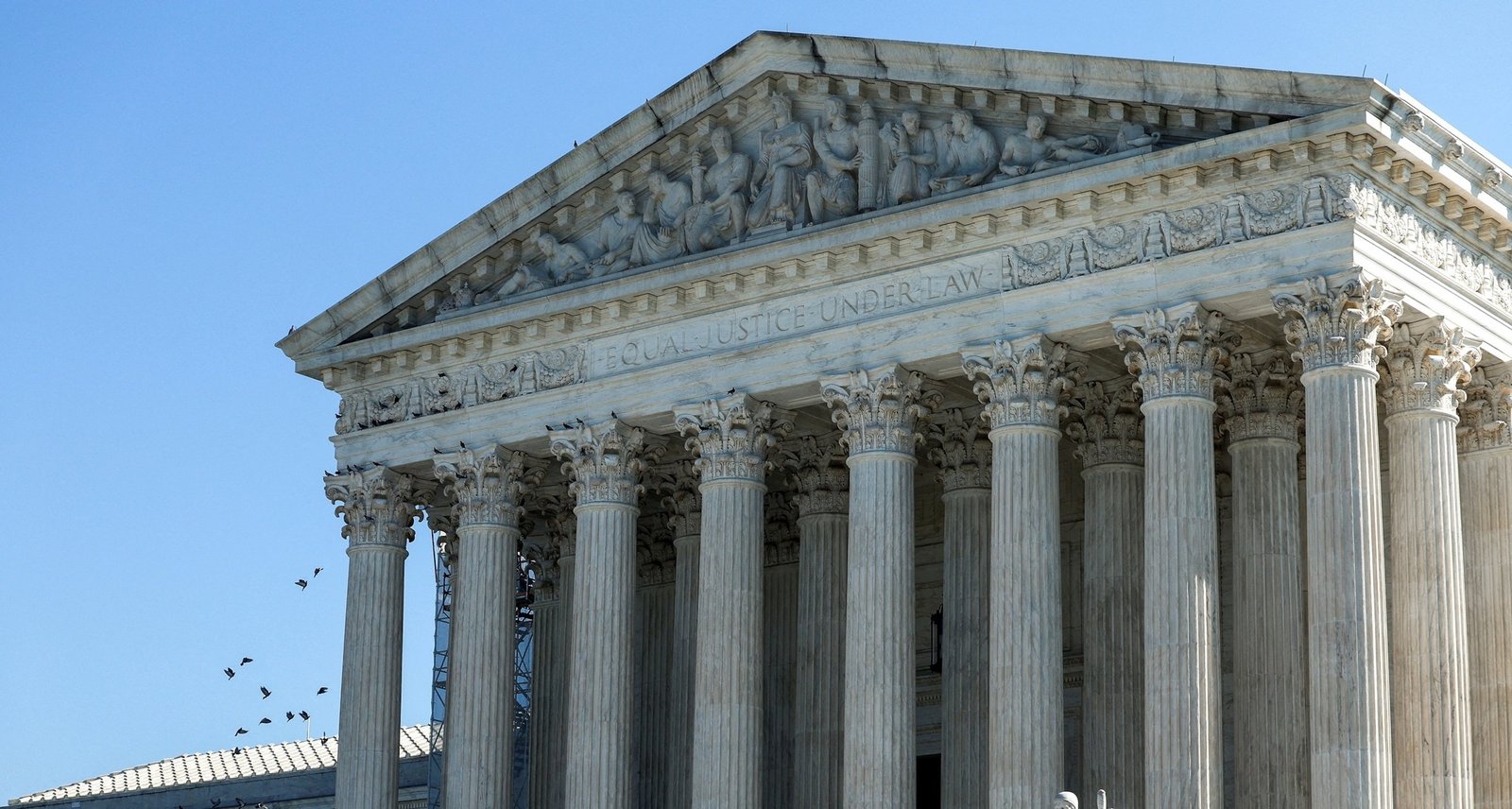
Imagem: Internet
Roughly 70 percent of Trump’s tariffs were imposed under IEEPA, covering imports from China, Canada, Mexico, and other trading partners. According to the government, those measures aimed to balance trade flows and encourage negotiations, but they also generated substantial revenue. At a separate event in Florida held simultaneously with the hearing, Trump told business leaders that the tariffs were “bringing in hundreds of billions of dollars,” crediting them with reducing the federal deficit.
Several conservative justices signaled interest in a compromise that would preserve some elements of the policy. Gorsuch queried whether tariffs designed to control conduct, as opposed to raise funds, fall under foreign-affairs powers typically afforded greater deference by the judiciary. Sauer agreed that duties with a regulatory purpose could merit different treatment from those primarily intended as a source of income.
Any ruling that limits the president’s discretion could have significant economic implications. Businesses that paid the contested duties might seek refunds, and future administrations would face clearer boundaries on emergency trade actions. The Court could also articulate distinctions between revenue-raising and regulatory tariffs, providing guidance for how the executive branch may structure trade measures in the future.
A decision is expected by the end of the Term. For background on IEEPA and presidential emergency authorities, readers can consult a detailed overview from the Congressional Research Service.
Crédito da imagem: Mark Schiefelbein/AP